
Strategic Context:
- The Philippines is a key geopolitical battleground in the Indo-Pacific, especially as tensions escalate over Taiwan and the South China Sea.
- China views the Philippines as a critical node to counter U.S. influence and expand its regional dominance.
China’s Tactics:
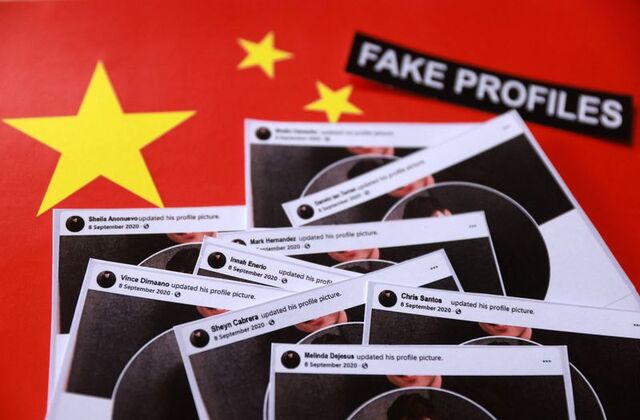
- Disinformation Campaigns: Chinese operatives used fake social media accounts to spread anti-U.S. narratives, portraying America as an unreliable partner.
- Amplifying Anti-American Sentiment: Posts targeted U.S. military presence and historical colonial ties, aiming to stir nationalist backlash.
- Undermining U.S. Alliances: China sought to weaken the Philippines’ trust in Washington, especially during the Duterte administration, which leaned toward Beijing.
Digital Battlefield:
- Platforms like Facebook and X (formerly Twitter) were flooded with coordinated posts, memes, and hashtags.
- Some accounts impersonated Filipino citizens to make the propaganda appear grassroots and authentic.
Vaccine Diplomacy Twist:
- While China promoted its Sinovac vaccine as part of its soft power push, the U.S. reportedly launched a counter-campaign (also exposed by Reuters) to discredit Chinese medical aid—ironically using similar covert tactics.
🇵🇭 Domestic Impact:
- The infowar deepened political polarization in the Philippines.
- It complicated Manila’s balancing act between economic ties with China and defense cooperation with the U.S.
(Source – Reuters)
—Agencies



Leave a Reply