
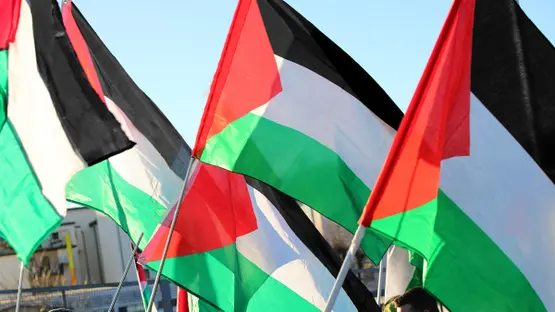
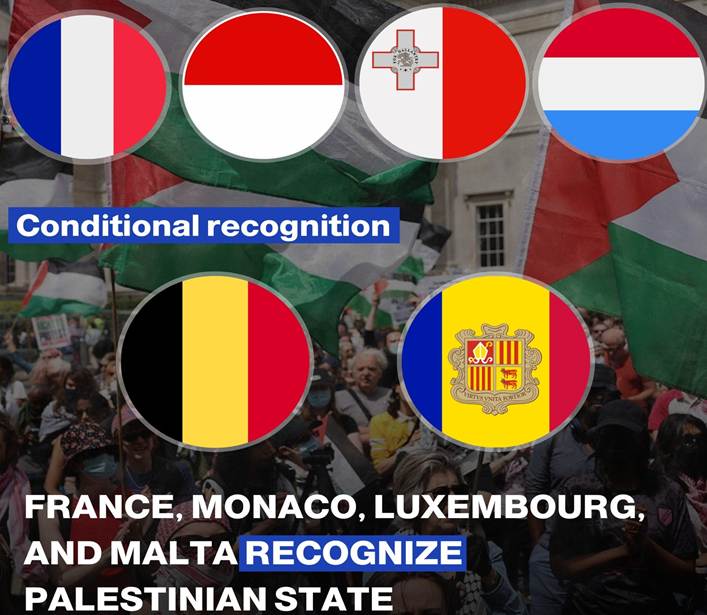
In a historic diplomatic shift, six European nations France, Belgium, Luxembourg, Malta, Monaco, and Andorra, formally recognized the State of Palestine on September 22, 2025, during the 80th session of the United Nations General Assembly. This move marks a significant expansion of international support for Palestinian statehood amid escalating conflict in Gaza.
Historical Shifts in Chronological Order
The campaign for Palestinian statehood and its international recognition has deep historical roots, linked to decades of conflict over land, national identity, and political legitimacy. The core of the issue dates back over a century and has seen multiple pivotal moments that shaped the contemporary debate and diplomatic struggle.
1988: The Birth of the State of Palestine
- The Palestine Liberation Organization (PLO) officially declared the State of Palestine on 15 November 1988 in Algiers.
- Algeria was the first to recognize it, followed by over 50 countries, mainly from the Arab League, former Soviet bloc, Africa, and Asia.
1990s–2000s: Gradual Expansion
- Recognition spread through Latin America in the early 2010s, with countries like Brazil, Argentina, and Chile joining in.
- Several Eastern European nations (e.g., Poland, Hungary, Romania) recognized Palestine before joining the EU.
2012: UN Observer Status
- The UN General Assembly granted Palestine non-member observer state status in November 2012, a major symbolic win backed by 138 countries.
2024–2025: Western Shift
- In 2024, Spain, Ireland, and Norway jointly recognized Palestine, followed by Slovenia, Armenia, and Mexico.
- By September 2025, over 157 UN member states had recognized Palestine about 81% of the global body.
- The latest wave includes France, Canada, Australia, Portugal, Belgium, and the UK, marking a significant shift among traditionally pro-Israel Western powers.
Event Summary Box:
| Year | Event/Action |
| 1947 | UN Partition (Resolution 181) proposes Jewish and Arab states |
| 1948 | Israel declared; Palestinian displacement, Arab/Israel war |
| 1967 | Six Day war; Israel occupies West Bank, Gaza, East Jerusalem |
| 1988 | PLO declares State of Palestine, recognized by 78 states soon after |
| 1993 | Oslo Accords: limited self-rule, not statehood |
| 2012 | UN General Assembly: Palestine becomes observer state |
| 2025 | Over 150 UN states recognize Palestinian statehood |
Why is it so significant
With these latest recognitions, almost 157 out of 193 UN member states now recognize Palestine, over 80% of the international community. This wide recognition is seen as a way to increase leverage for negotiations and to challenge Israeli claims that a two-state solution is not feasible.
The move by major Western powers, not just traditional supporters of Palestine, is especially impactful as it signals Israel’s increasing international isolation and reshapes global diplomatic alignments.
Such recognition isn’t only symbolic; it allows Palestine to further participate in international legal, diplomatic, and organizational frameworks, bolstering its claims in venues like the International Criminal Court and United Nations agencies.
Post-Recognition Developments & Mutual Understandings
1. Diplomatic Upgrades
- France, Belgium, and the UK have elevated Palestinian missions to full embassies, allowing for formal diplomatic representation and bilateral engagement.
- Flag-raising ceremonies and plaque unveilings (e.g., in London) have reinforced the legitimacy of Palestine’s statehood in these capitals.
2. Statements of Support
- Leaders like UK Prime Minister Keir Starmer emphasized that recognition is a step toward preserving the possibility of peace and a two-state solution.
- These nations framed their decisions as moral and strategic responses to the humanitarian crisis in Gaza and the erosion of peace prospects.
3. Conditional Cooperation
- Some recognitions like those from Canada and Australia are tied to expectations of Palestinian Authority reforms, democratic processes, and ceasefire conditions.
- This suggests a mutual understanding that recognition is not just symbolic, but part of a roadmap toward responsible governance and regional stability.
4. UN and Multilateral Engagement
- These countries have pledged to support Palestine’s full UN membership, which would grant voting rights and broader international legitimacy.
- Joint resolutions are being drafted to pressure Israel to halt settlement expansion and comply with international law.
Why Some Nations Haven’t Recognized Palestine
1. Strategic Alliances with Israel
- Countries like the United States, Germany, Japan, and South Korea maintain strong military, economic, and intelligence ties with Israel.
- Recognition of Palestine is seen as undermining Israel’s position, especially amid ongoing conflict and security concerns.
2. Internal Political Divisions
- In places like Italy and the Netherlands, governments are split between pro-Israel and pro-Palestinian factions.
- Recognition could trigger domestic political fallout or diplomatic strain within coalitions.
3. Legal and Sovereignty Concerns
- Critics argue Palestine lacks the attributes of a functioning state: unified governance, defined borders, and control over territory.
- Israel and its allies claim recognition is premature or even illegal under international law, though this view is contested.
4. Fear of “Rewarding Terrorism”
- Some governments equate recognition with legitimizing Hamas, especially after the October 2023 attacks on Israel.
- However, many countries clarify that recognizing Palestine does not mean endorsing its current leadership or factions.
5. UN Security Council Dynamics
- The U.S. veto power has blocked Palestine’s full UN membership, discouraging others from taking unilateral steps.
- Some nations prefer a multilateral framework like a negotiated two-state solution—before formal recognition.
6. Regional Sensitivities
- Countries in Oceania, parts of Asia, and Africa may avoid recognition to preserve neutrality or avoid inflaming regional tensions.
- For example, Singapore and Cameroon have opted for cautious diplomacy over symbolic moves.
The Closure
The recognition of Palestine by six additional nations in 2025 signals a turning point in global diplomacy. From its 1988 declaration to its 2012 UN observer status, Palestine’s quest for statehood has gained steady momentum. Today’s endorsements by Western powers reflect not just solidarity, but a call for renewed commitment to peace and accountability.
Yet, recognition alone cannot resolve the crisis or deliver a two-state solution. With over 150 countries now on board, the challenge lies in translating symbolic support into meaningful change. As the world watches, the future of Palestine hinges not just on acknowledgment but on action.
(All Sources Lemonde.fr/en, cnn.com, Council on Foreign Relations, The Atlantic, Chatham House, Encyclopedia Britannica, Wikimedia Foundation)
—All owned sources




Leave a Reply