
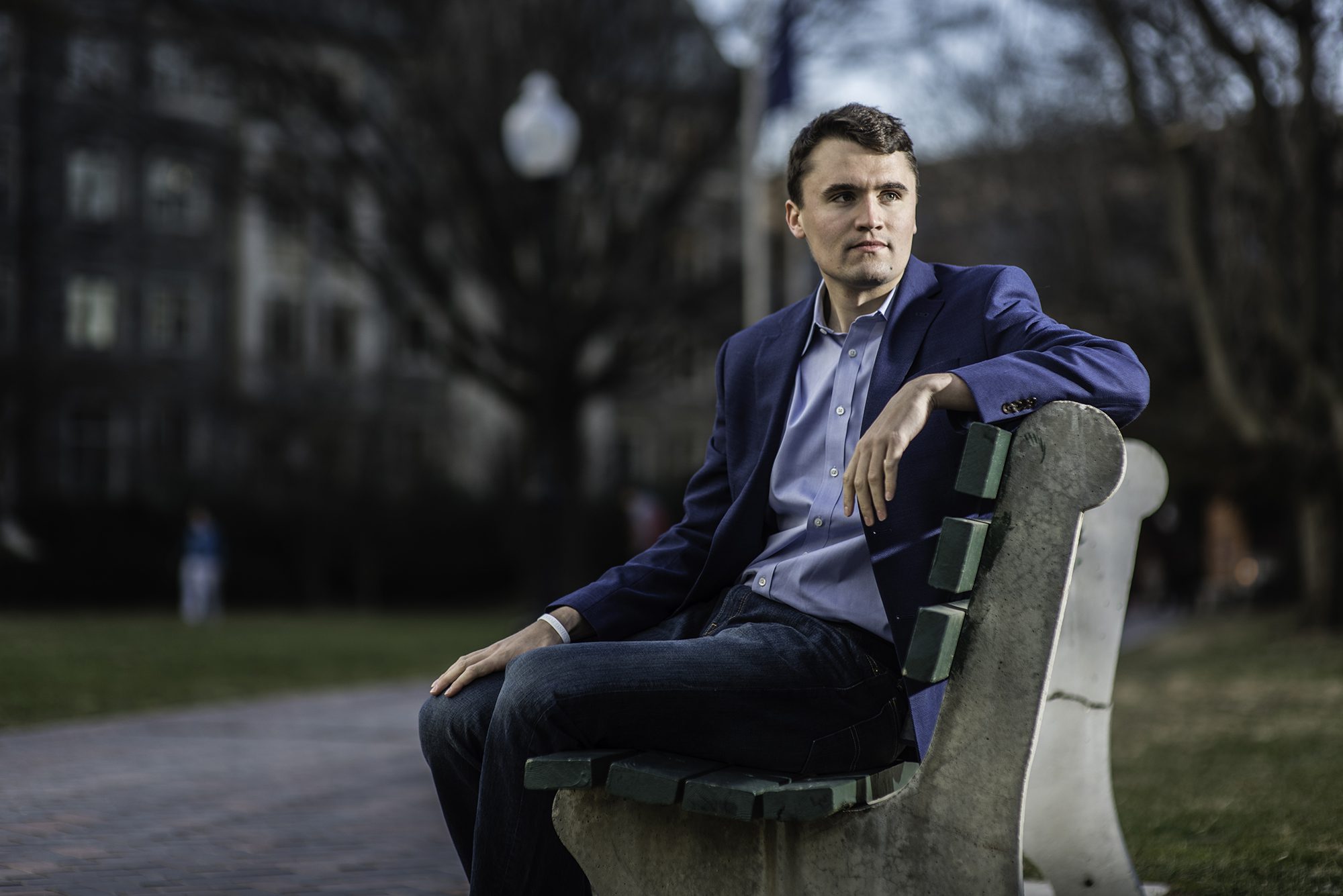
America’s Speech Crisis
What is free speech?
Free speech refers to the right to express ideas, opinions, and information without government censorship or punishment. It includes spoken, written, symbolic, and artistic forms of expression.
Limitations:
- Incitement to violence
- True threats
- Obscenity
- Defamation
- Child pornography
- Speech integral to criminal conduct
For some, it’s the lifeblood of democracy. For others, it’s a shield for hate. In the wake of Charlie Kirk’s death in the current situation, America must confront whether it still believes in the freedom it once fought to protect.
Is Free Speech taken seriously elsewhere?
Of Course, Norway, Denmark, Finland, New Zealand, Canada, Germany, Ireland, Australia, United Kingdom and Sweden being the oldest to Amend dating back to 1766.
Just like the above, America’s First Amendment to the U.S. Constitution was ratified on December 15, 1791. It’s part of the Bill of Rights, the first ten amendments that protect individual liberties like freedom of religion, press, assembly, and speech. Since then, the meaning and limits of free speech have evolved through landmark Supreme Court rulings, not through changes to the original amendment.
Historical Champions of Free Speech
Frederick Douglass: An escaped slave turned orator and writer, Douglass fiercely defended free speech as essential to liberty:
“Liberty is meaningless where the right to utter one’s thoughts and opinions has ceased to exist.” His speeches and writings helped shift public opinion on slavery and civil rights.
Martin Luther King Jr.: King’s nonviolent resistance and eloquent speeches, especially “I Have a Dream”—used free speech to inspire hope, unity, and justice. His leadership in the Civil Rights Movement showed how speech could be a moral force for change.
Susan B. Anthony: A tireless advocate for women’s suffrage, Anthony used public speaking and publishing to challenge gender norms and demand voting rights. Her campaigns helped pave the way for the 19th Amendment.
John Milton: (British, but deeply influential in American thought) His 1644 treatise Areopagitica argued for the liberty to “know, to utter, and to argue freely”—a philosophy that shaped America’s First Amendment ideals.
George Orwell: (Again, British, but widely cited in American discourse) Though not American, Orwell’s warnings about censorship and thought control in 1984 and Animal Farm have become rallying cries for free speech advocates across the U.S.
Assassinated for Their Beliefs:
Martin Luther King Jr.
- Assassinated in 1968 in Memphis, Tennessee.
- He was targeted for his leadership in the Civil Rights Movement and his powerful use of speech to challenge racial injustice and war.
- His death shocked the world and led to a national reckoning on race and violence.
Abraham Lincoln
- Assassinated in 1865 by John Wilkes Booth.
- Lincoln’s anti-slavery stance and efforts to preserve the Union made him a target of Confederate sympathizers.
- His speeches, especially the Gettysburg Address, remain iconic symbols of American ideals.
Elijah Parish Lovejoy
- Killed in 1837 by a mob in Illinois.
- A newspaper editor and abolitionist, Lovejoy was murdered for publishing anti-slavery views making him one of the earliest American martyrs for free speech.
Accelerate to the present (year 2025), Story of Charlie Kirk
Born on October 14, 1993, in Arlington Heights, Illinois, and raised in nearby Prospect Heights. His upbringing was grounded in a politically moderate household, though he later became one of the most prominent conservative voices in America.
Father: Robert Kirk, an architect whose firm notably contributed to the design of Trump Tower in New York City.
Mother: Kimberly Kirk, a mental health counselor, known for her empathetic approach.
Youth and Education:
Attended Wheeling High School, where he was active in sports, the marching band, and the Eagle Scouts.
Became politically engaged early, even protesting cafeteria prices in school.
Briefly enrolled at Harper College, but dropped out to pursue activism full-time.
Marriage and Children:
Married Erika Frantzve, former Miss Arizona USA, in May 2021.
They had two children: a daughter born in August 2022 and a son in May 2024.
Charlie and Erika chose to keep their children’s names and faces private, emphasizing family over public exposure.
Charlie Kirk’s Core Role and Legacy
Founder of Turning Point USA (TPUSA)
- Established in 2012 when Kirk was just 18 years old.
- TPUSA became a major force in conservative youth outreach, with over 250,000 student members nationwide.
Champion of Free Speech and Campus Debate
- Famous for his “Prove Me Wrong” table, where he invited students to challenge his views in open forums.
- Advocated for ideological diversity and pushed back against what he saw as left-wing dominance in academia.
Media Personality and Podcaster
- Hosted The Charlie Kirk Show, one of the most listened-to conservative podcasts in America, with over 120 million downloads in 10 months.
- Used media to amplify conservative messaging and reach audiences beyond college campuses.
Political Organizer and Trump Ally
- Played a key role in mobilizing young voters for Donald Trump’s campaigns, especially in 2024.
- Frequently appeared at rallies and advised on youth engagement strategies, visiting the White House over 100 times during Trump’s first term.
Cultural Warrior and Ideological Provocateur
- Took strong stances on issues like gun rights, abortion, immigration, and transgender policies.
- His rhetoric was polarizing, but it galvanized a large base of supporters who saw him as a fearless defender of traditional American values.
September 10th 2025 – The Assassination – Provo, Utah
Charlie Kirk was shot in the neck while speaking at Utah Valley University during his American Comeback Tour. The gunman, later identified as Tyler James Robinson, fired from a rooftop approximately 130 meters away, which authorities are now calling a politically motivated assassination.
According to FBI Director Kash Patel, the suspect, 24-year-old Tyler James Robinson, acted out of ideological hatred. Investigators say Robinson believed Kirk was “spreading hate” and told a family member that “some hatred cannot be negotiated with.” Digital evidence recovered from Robinson’s devices including laptops and gaming consoles revealed messages expressing intent to “take out Charlie Kirk.”
The FBI confirmed that Robinson admitted to the crime and cited Kirk’s political views as justification. The attack, carried out from a rooftop overlooking the venue, has sparked national outrage and renewed debate over political violence and free speech.
Kirk, a close ally of President Donald Trump and founder of Turning Point USA, had previously warned of an emerging “assassination culture” in American politics. His death is being widely regarded as a targeted political killing.
Robinson has been charged with aggravated murder, obstruction of justice, and witness tampering. Prosecutors are seeking the death penalty, citing clear political motivation behind the attack.
Snapshot of Shooter (Tyler James Robinson) – For Curiosity
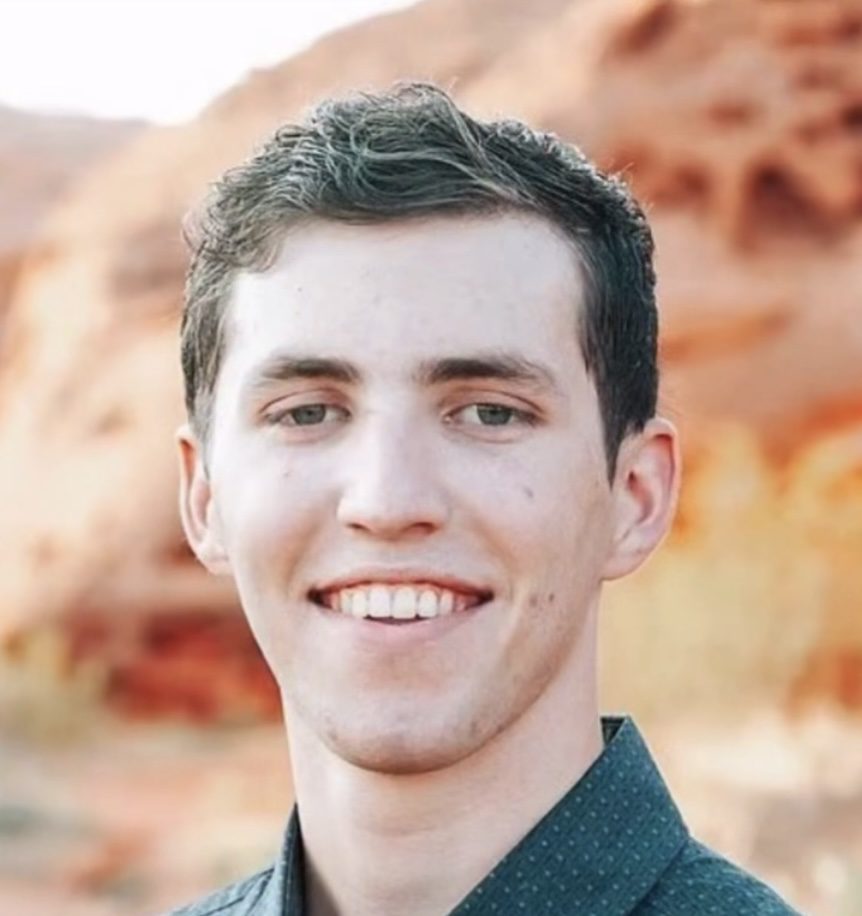
- Age: 22
- Birthplace: Washington County, Utah
- Background: Raised in a quiet, religious household as the eldest of three sons. His family were members of the Church of Jesus Christ of Latter-day Saints.
- Education: Scored 34 on the ACT and briefly attended Utah State University on a scholarship before dropping out. Later enrolled in an electrical apprenticeship at Dixie Technical College.
- Career Path: Was training to become an electrician; had no prior criminal record or professional employment.
- Personality: Described as intelligent and soft-spoken in youth, but reportedly became more politically outspoken and angry in recent years.
- Family: His father, Matt Robinson, owns a local countertop business; his mother, Amber, is a licensed social worker.
- Controversy: Gained national attention in September 2025 after being identified as the suspect in the fatal shooting of Charlie Kirk. His father helped authorities identify him from surveillance footage.
Present Reactions & Impacts
Internationally:
European Leaders Responded Swiftly: Italy’s Prime Minister Giorgia Meloni called it “an atrocious murder, a deep wound for democracy”. France expressed “deep emotion,” while UK Prime Minister Keir Starmer said it was “heartbreaking that a young family has been robbed of a father and a husband”.
Far-Right Outrage: Hungary’s Viktor Orbán blamed an “international hate campaign waged by the progressive-liberal left”. France’s Jordan Bardella condemned “dehumanizing rhetoric” from the left.
European Parliament Clash: A request for a moment of silence in Kirk’s honor was denied, sparking uproar. Swedish and Dutch MEPs compared the dismissal to the commemoration of George Floyd, calling it a double standard.
Vigils and Protests: Whitehall in London and Strasbourg in France saw candlelight vigils, while protests erupted over perceived censorship and ideological bias.
United States:
Polarization Deepens: Social media exploded with grief, outrage, and conspiracy theories. Celebrities across the spectrum—from Chris Pratt to Rosie O’Donnell—condemned the violence.
Workplace Fallout: Employees in airlines, schools, and hospitals were fired or suspended for mocking Kirk’s death online. American Airlines and Delta took swift disciplinary action, while school districts issued public statements of shock.
Political Escalation: MAGA figures like Steve Bannon and Laura Loomer called for mass arrests and crackdowns on universities. Elon Musk posted, “The Left is the party of murder”.
Security and Censorship: Kirk’s death has prompted calls for increased security at political events and tighter regulation of online speech. Activists and pundits are reportedly hiring private security.
Conclusion of all this:
In the end, Charlie Kirk’s legacy is not a tidy narrative, it’s a provocation. His voice, whether admired or abhorred, forced a generation to confront uncomfortable questions about freedom, morality, and the cost of conviction. But if his death teaches us anything, it is this: rhetoric is never neutral. It builds movements, yes—but it also builds enemies.
(sources – fordfoundation.org, thefire.org, firstamendment.mtsu.edu, fdrlibrary.org,archives.gov)
— Owned agencies




Leave a Reply