
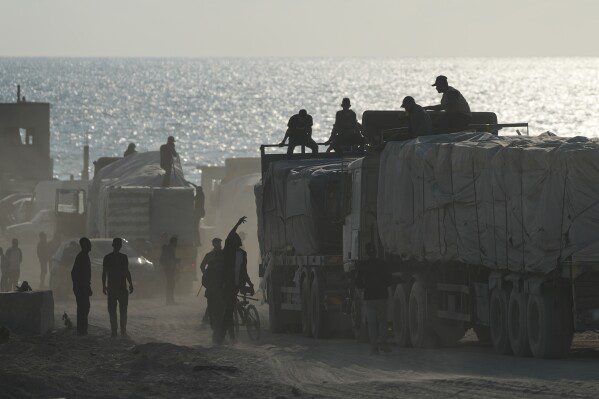
UNITED NATIONS — December 2024
A U.S.-backed proposal to establish a multinational stabilization force in Gaza following the Israel-Hamas war has encountered resistance at the United Nations, with Russia, China, and several Arab nations voicing skepticism over the plan’s scope, mandate, and long-term implications.
The proposal, presented in closed-door consultations at the U.N. Security Council, envisions a temporary international force to maintain order, facilitate humanitarian aid, and support reconstruction efforts in Gaza once hostilities cease. U.S. officials argue the force would prevent a power vacuum and deter a resurgence of militant groups.
Key Points of Contention:
• Russia and China questioned the force’s neutrality and warned against any arrangement that could be perceived as legitimizing Israeli occupation or bypassing Palestinian sovereignty.
• Arab states, including Egypt and Jordan, expressed concern over the optics of foreign troops in Gaza and emphasized the need for Palestinian leadership in any post-conflict governance.
• No formal vote has been scheduled, but diplomats say the U.S. is gauging support and may revise the proposal to address objections.
Diplomatic Context:
The proposal comes amid mounting pressure to outline a viable post-war plan for Gaza, as the humanitarian crisis deepens and ceasefire negotiations stall. The Biden administration has emphasized the need for a “revitalized Palestinian Authority” to eventually assume control, but regional actors remain divided on the timeline and mechanisms for transition.
Reactions:
• U.S. Ambassador to the U.N. defended the plan as a “pragmatic step” toward stability, not a permanent occupation.
• Palestinian representatives rejected the idea of any foreign force not explicitly mandated by Palestinians themselves.
• Israel has not publicly endorsed the proposal but has signaled openness to international involvement under certain conditions.
Next Steps:
Diplomatic sources indicate that the U.S. may seek to build consensus through back channel negotiations and possibly introduce a revised resolution in early 2025. Meanwhile, humanitarian agencies continue to warn of catastrophic conditions in Gaza, urging immediate ceasefire and unfettered aid access.
(Source – AP News)
—Agencies





Leave a Reply